


AI is already changing how young people in the Philippines enter the workforce. According to the International Labour Organization (ILO), the main impact is not job loss but changes in how work is done, especially for entry-level roles that young workers usually take.
The article focuses on how generative AI affects tasks inside jobs, particularly for youth who are just starting their careers and are more likely to be in routine or support roles.
Young workers are more exposed to AI changes
Young workers in the Philippines are more likely to experience early changes in how work is structured because many of them start in entry-level positions. These roles often include routine tasks that are more exposed to AI-supported systems.
- Young workers are more likely to hold entry-level jobs with routine tasks
- These tasks are the ones most affected by AI tools
- Exposure does not mean jobs are removed, but tasks are changed
- Entry-level work is more likely to include AI-assisted processes
- Transition from school to work is now more digital and tool-based
The findings show that this exposure is not about immediate job loss. It is about how the nature of early work is shifting, especially in roles where tasks are repetitive or standardized.
For fresh graduates entering the workforce, preparation is becoming more important, especially those following guides like job hunting tips for fresh graduates in the Philippines, where early career decisions are becoming more skill-focused and less routine-based.
AI is changing tasks, not removing jobs

The report emphasizes that AI does not usually remove entire jobs. Instead, it changes how work is done inside those jobs, especially at the task level.
For young workers, this means their job title may stay the same, but their daily responsibilities can shift. Routine work is reduced, while tasks requiring judgment, checking, or communication become more important.
- Routine tasks are increasingly handled or supported by AI
- Workers focus more on checking and interpreting outputs
- Job roles stay, but daily responsibilities change
- Human input becomes more important in non-routine tasks
- Work becomes more mixed between AI and human effort
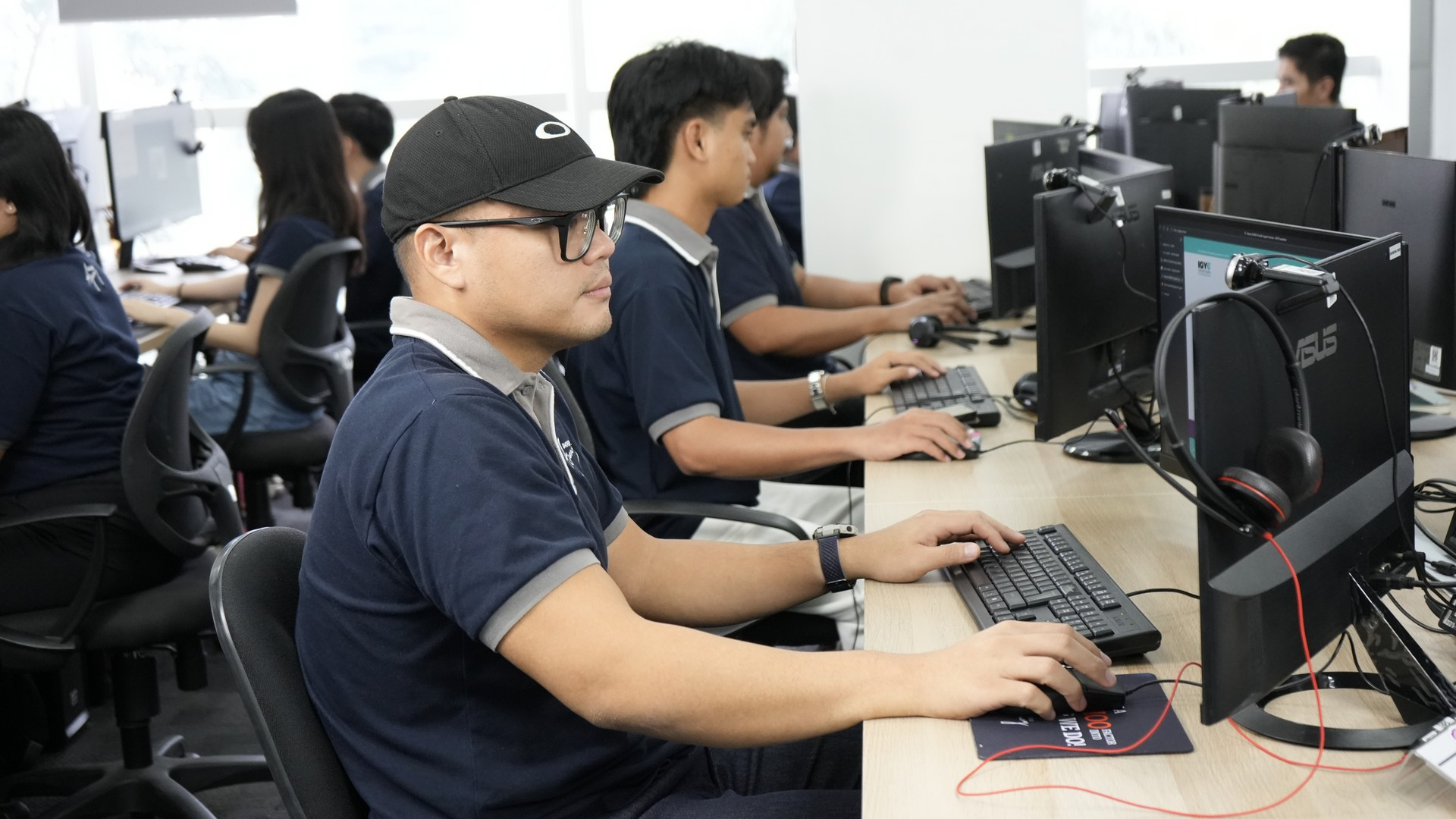
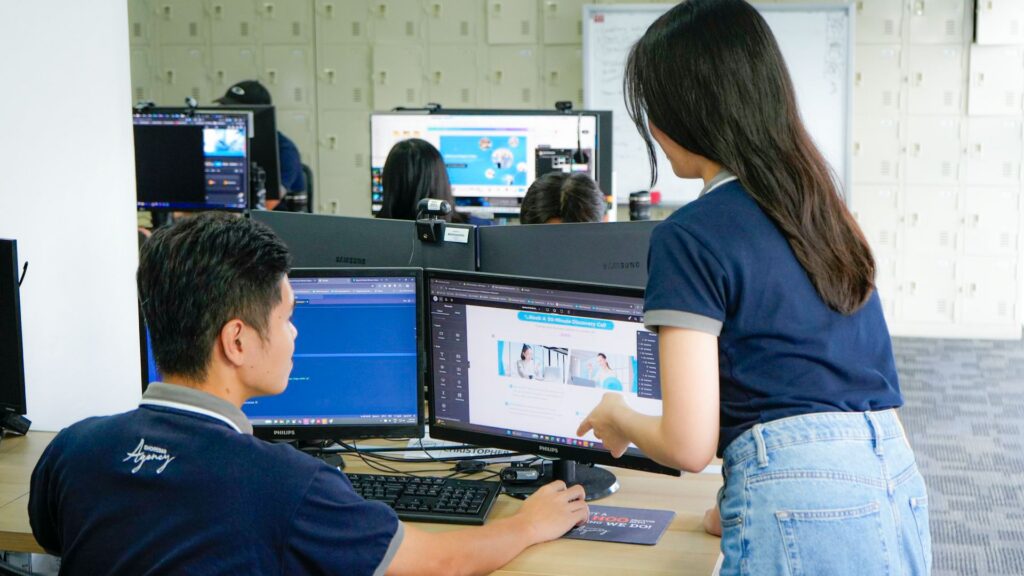
This shift is already visible in entry-level positions such as office administration jobs, where basic documentation and processing tasks are now partially supported by digital tools, changing how daily work is done.
The findings frame this as a transformation of work rather than replacement, especially for young workers entering structured office environments.
Tasks most affected by AI in entry-level roles
AI has the strongest impact on tasks that are repetitive, structured, and based on standard processes. These are the tasks most commonly assigned to entry-level workers in many industries.
- Data entry and basic administrative work
- Simple customer service responses
- Basic document writing and formatting
- Routine office processing tasks
- Standard reporting and summarizing work
These tasks are more likely to be supported or partially automated by generative AI systems. This does not eliminate jobs but reduces the volume of repetitive work assigned to workers.
In industries like accounting jobs in Pampanga, AI tools are increasingly used to assist with processing and reporting. However, human workers are still needed for review, validation, and decision-making in financial tasks.
The result is a shift in workload rather than a removal of roles.
Industries most affected by AI for young workers
The impact of AI is not the same across all sectors. Industries with high levels of routine and digital work are more exposed to task changes brought by generative AI.
These industries include:
- Marketing and communication jobs
- Information and communication services
- Finance and business support roles
- Administrative and clerical services
- Customer service-based industries
These sectors often rely on entry-level roles that involve repetitive or structured work. As AI tools become more common, these tasks are increasingly supported by automation or digital systems.
At the same time, hiring activity continues across regions, especially in areas with active recruitment such as job hiring in Pampanga, where companies are adjusting workflows but still expanding their workforce.
What this means for job seekers in the Philippines
For Filipino job seekers, especially fresh graduates, entry-level employment is still available but is changing in structure and expectations.
Employers are no longer focused only on basic task execution. There is now a stronger expectation for adaptability and readiness to work with digital tools.
This means job seekers may encounter roles where:
- Digital tools are part of daily work
- Tasks change depending on workplace systems
- Learning happens continuously on the job
- Entry-level roles carry more responsibility than before
The findings make it clear that this is not a reduction in opportunities. It is a change in how early career roles are designed and experienced.

Skills that matter more because of AI
As AI becomes more integrated into workplaces, skills are becoming more important than job titles. Workers are expected to adapt to changing systems and workflows.
- Ability to use digital tools in daily work
- Flexibility in handling changing tasks
- Clear communication in workplace settings
- Problem-solving in non-routine situations
- Careful checking of AI-generated outputs
These skills are becoming more important in roles where AI handles routine work, while human workers focus on interpretation, communication, and decision-making.
This is especially relevant in fields such as marketing and communication jobs, where AI is now used for content generation and data processing, while humans focus on strategy and message direction.
What employers and institutions need to adjust
The findings also point to the need for adjustments in both education and hiring practices. Since AI is already part of many workplaces, training programs need to reflect how work is actually done today.
This includes improving digital readiness and ensuring that students and fresh graduates are exposed to tools and systems commonly used in modern workplaces before they enter employment.
The transition from education to work is becoming more demanding, as entry-level roles now require more adaptability than before.

Key points for Filipino job seekers
The main findings of the report can be summarized clearly:
- AI is changing tasks inside jobs, not removing jobs
- Entry-level roles are most affected by task changes
- Routine work is decreasing in many office-based roles
- Employers now expect faster learning and adaptability
- Digital skills are becoming part of basic job requirements
These changes mean that job seekers need to prepare not just for job applications, but for evolving job structures.
Final takeaway
AI is not removing the need for young workers in the Philippines. Instead, it is changing what entry-level work looks like and how tasks are performed.
Jobs are still available, but the nature of the work is shifting. Young workers who can adapt to digital tools and changing workflows will be better prepared for today’s labor market.
If you are exploring opportunities, checking listings or reviewing in demand jobs in the Philippines can help you understand where opportunities are still strong and how roles are evolving.