



When people look at a job offer, they usually check the salary, the job title, and maybe how close it is to good coffee. Workplace safety rarely makes the shortlist. Here’s the thing. Your boss does not get to freestyle your safety standards. The law already handled that part.
Republic Act No. 11058, also known as the Occupational Safety and Health Standards Law, makes workplace safety a legal right for every private sector worker in the Philippines. Whether you’re in a factory, office, construction site, call center, or working remotely, the law protects you.
Before R.A. 11058, safety rules were often unclear and penalties were weak. Now, employers have specific responsibilities, workers have enforceable rights, and DOLE can step in when violations occur.
This is why understanding workplace safety should be one of the key things to consider when relocating for a job. A higher salary or better title may be tempting, but working conditions matter just as much. Before moving, make sure your future employer follows proper safety standards. Your health and safety are not negotiable, they are protected by law.
What a Safe Workplace Actually Looks Like
“Safe workplace” can sound like a corporate buzzword, but R.A. 11058 defines it in real, concrete terms.
A safe workplace means workspaces are free from conditions that could injure, sicken, or kill you. That includes properly maintained equipment, clear and accessible emergency exits, adequate lighting and ventilation, and ergonomic setups that won’t wreck your posture or strain your body over time. It also means having emergency plans in place and conducting regular drills so that when something goes wrong, no one is left guessing what to do.

Physical safety is only part of the picture. Workload management matters too. Chronic overwork and unmanaged stress are workplace hazards just as real as a broken machine or a slippery floor, and the law recognizes that. A good OSH program addresses both.
What Employers Are Required to Do
R.A. 11058 doesn’t just encourage employers to think about safety. It requires them to act. Here’s what that actually looks like in practice.
Create a formal OSH program. This isn’t optional and it’s not just a document to file away. Employers must develop an Occupational Safety and Health program in consultation with their employees, submit it to DOLE, and actually implement it. The program needs to include a written commitment to safety standards, general health and safety policies, emergency response plans, and a schedule for training and education.

Set up a Safety and Health Committee. Employers must organize a committee and appoint trained safety officers to keep the program running. This gives workers a formal channel to raise concerns and have them taken seriously.
Provide training and protective equipment. Employees must receive safety orientations, participate in emergency drills, and attend regular health and safety sessions. Any protective gear or ergonomic tools required for the job must be provided by the employer at no cost to the worker. You should never have to pay out of pocket to be safe at your own job.
Keep safety records. Documentation of hazards, incidents, and corrective actions must be maintained. This creates accountability and gives DOLE something to review during inspections.
One thing worth noting: these responsibilities don’t disappear just because you work from home. If you’re a remote or hybrid employee, your employer is still required to ensure your home setup is ergonomic and that your workload isn’t putting your health at risk. The location changes, but the obligation doesn’t.
What Workplace Safety Looks Like in Practice
An Occupational Safety and Health program should not exist only on paper. Under Republic Act No. 11058, safety standards are meant to be implemented consistently and visibly.
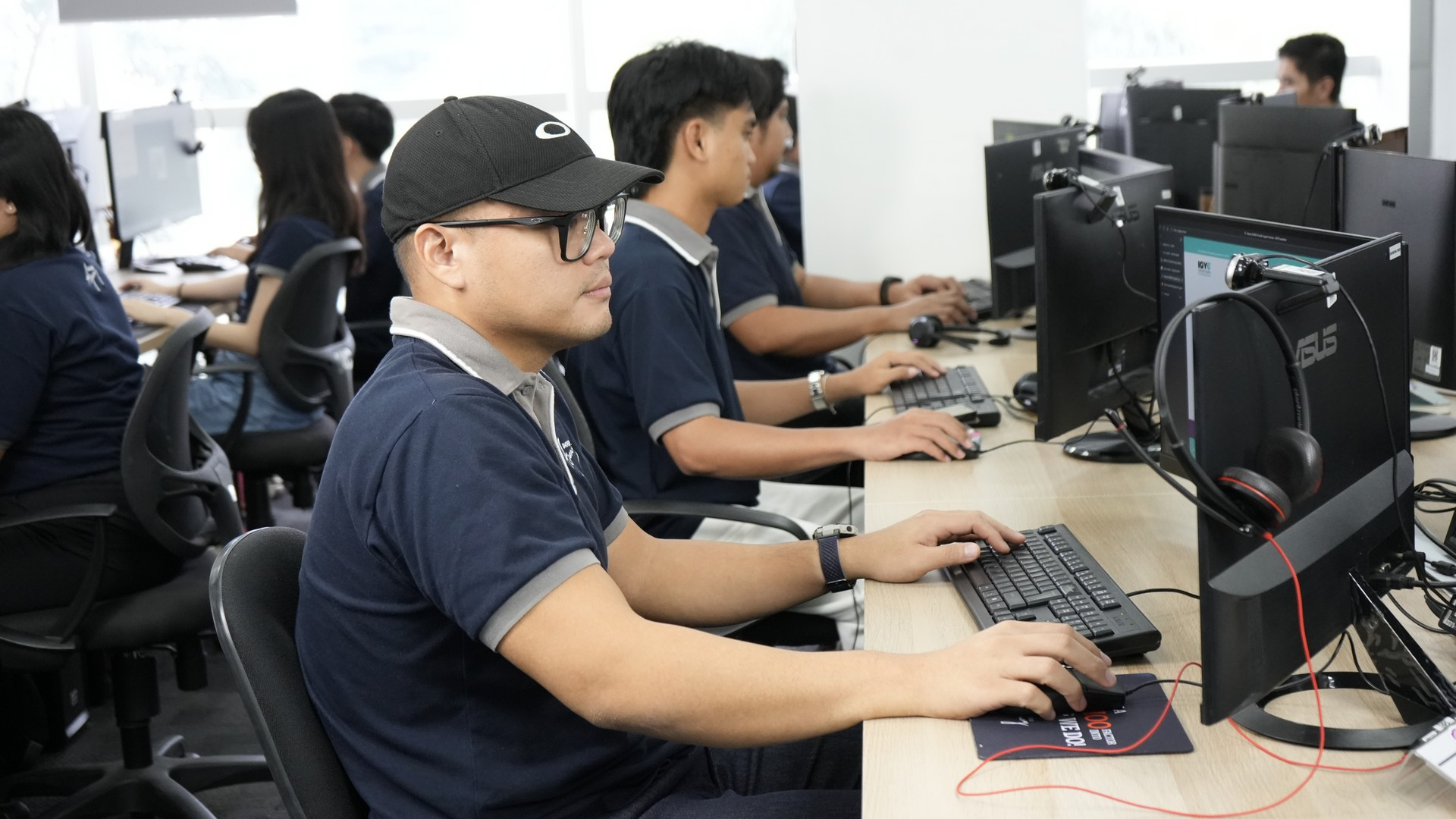
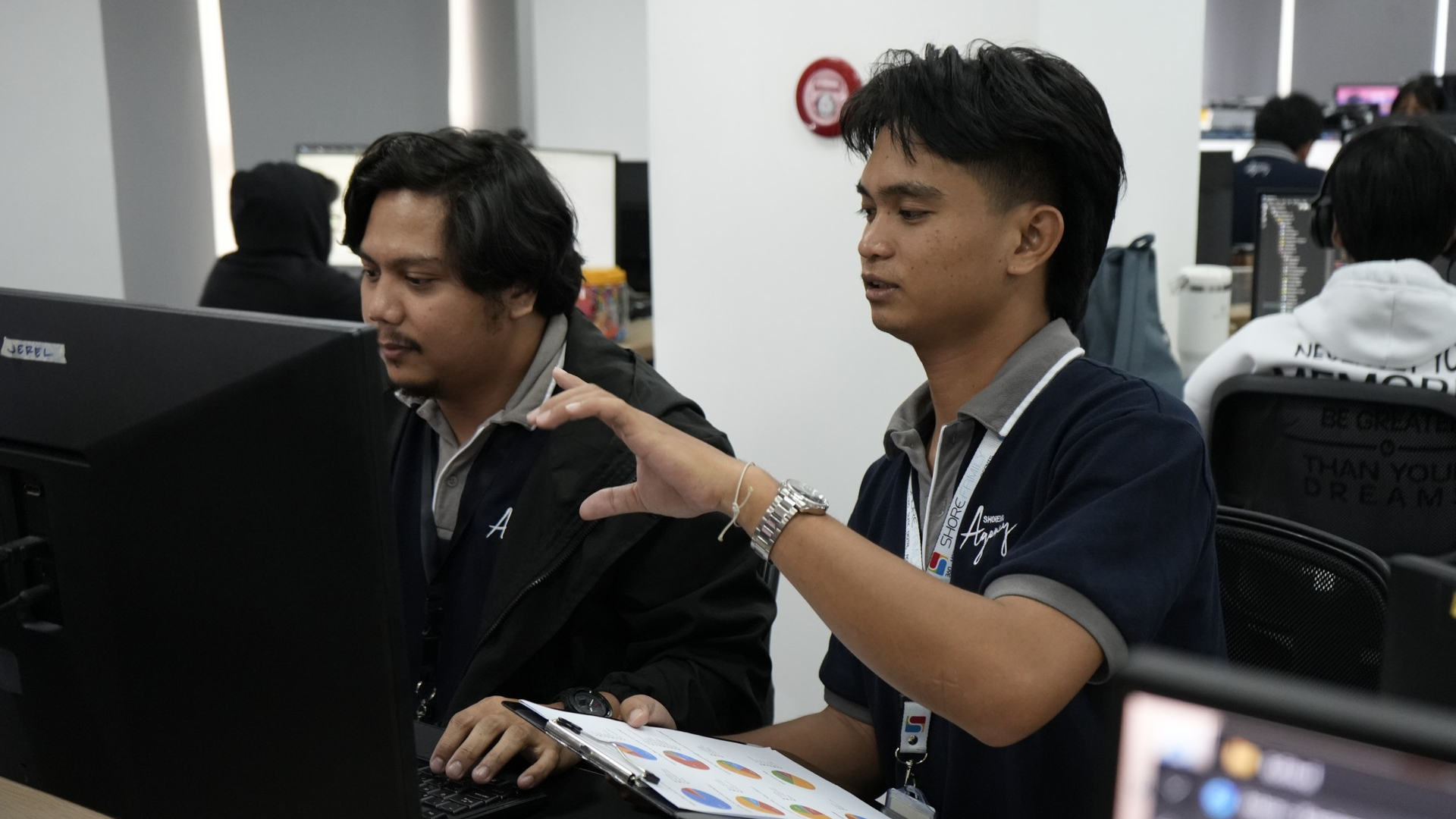
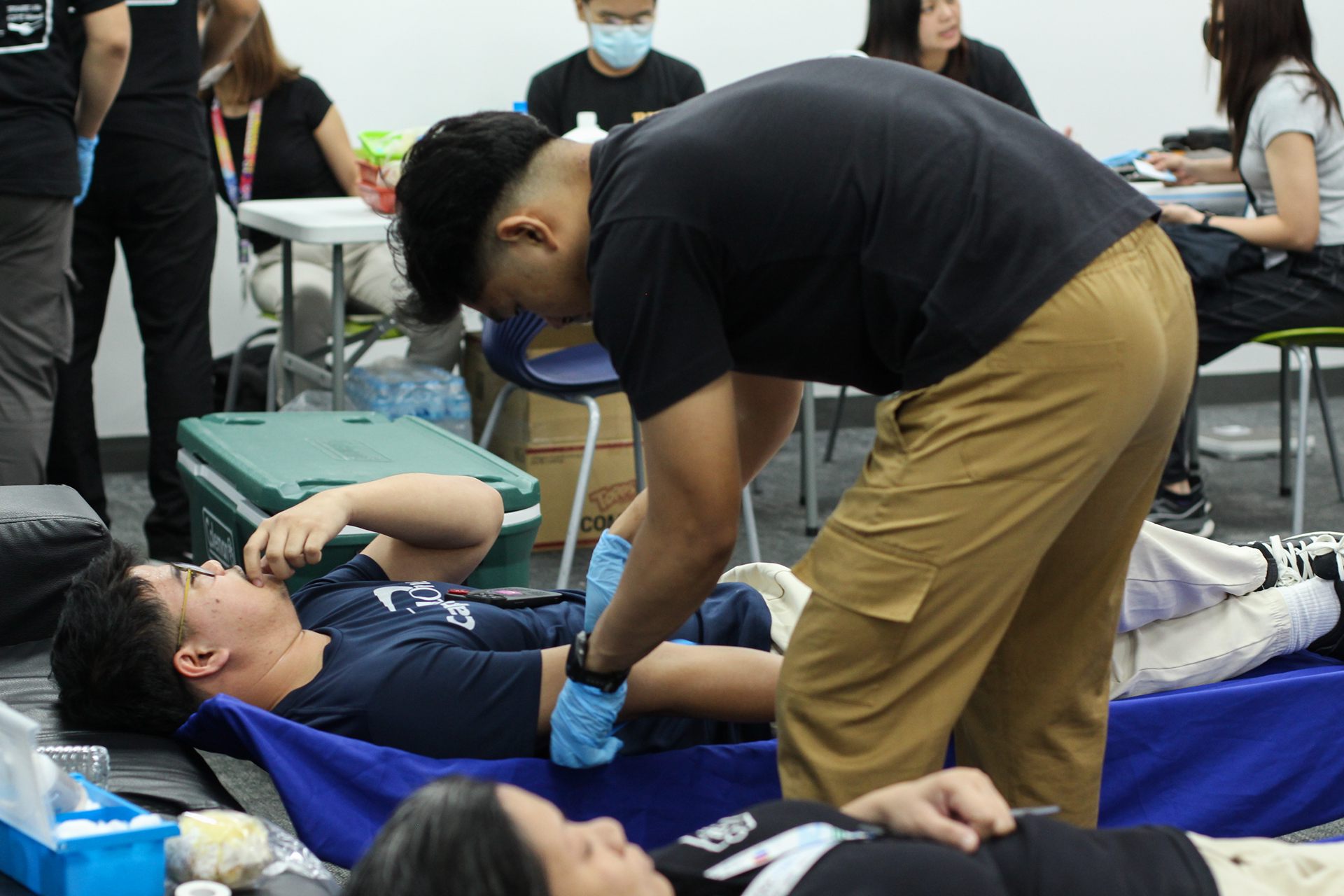
At Shore360, workplace safety goes beyond written policies. Annual earthquake and fire drills help employees understand evacuation routes and emergency procedures. Health initiatives include Annual Physical Examinations (APE), flu vaccinations, free HIV testing, and mental health talks. Offices also regularly post advisories on managing common illnesses and staying informed about viral infections in the community.
These are just some of the measures implemented to support compliance with Republic Act No. 11058. Safety is not limited to equipment and exit signs. It requires preparedness, awareness, and consistent action.
Rights You Have as a Worker
This is where a lot of employees are surprised. R.A. 11058 doesn’t just regulate employers. It actively gives workers power.
The right to know. You are entitled to information about the hazards present in your workplace. That means access to safety data, hazard assessments, and any reports related to risks that could affect you. Your employer cannot keep that information from you.
The right to training. Knowing that a hazard exists isn’t enough if you don’t know how to protect yourself from it. Employers must train you, not just hand you a manual and hope for the best.
The right to refuse unsafe work. This one surprises people. If a task puts you in imminent danger, you have the legal right to refuse it. You cannot be fired, demoted, or punished for using this right. The law is explicit about that.
The right to report. Whether you raise concerns with your HR team, your Safety and Health Committee, or directly with DOLE, you are protected. Retaliation against workers who report safety violations is not just wrong, it’s illegal under this law.
These rights exist on paper for every worker in the country. The only way they don’t work is if nobody uses them.
What Happens When Employers Break the Rules
R.A. 11058 has real consequences for non-compliance, and that’s what gives it weight.
Employers who violate safety standards can be fined up to 100,000 pesos per day, with the fines continuing until the violation is corrected. If a workplace poses imminent danger, DOLE has the authority to order a temporary closure. And for employers who willfully ignore the law or retaliate against workers, criminal penalties are on the table.
The point of these penalties isn’t just punishment. It’s to make sure that cutting corners on safety is never the cheaper option.
What to Do If Your Workplace Isn’t Safe
If you believe your workplace is violating safety standards, here’s a simple way to approach it.
Start by documenting what you see. Photos, written notes, dates, and specific descriptions of the hazard. Then report it internally, either to HR or your Safety and Health Committee. Give them a reasonable chance to fix it.
If nothing happens or the response isn’t adequate, file a formal complaint with DOLE. Bring your documentation. The more specific and organized your evidence, the stronger your case.
You’re not just protecting yourself when you do this. You’re protecting every coworker who shares that space with you.
Know Your Rights, Then Use Them

R.A. 11058 exists because workplace injuries, illnesses, and deaths are preventable, and because workers deserve better than hoping their employer happens to care. The law creates a baseline that every Philippine worker is entitled to, regardless of industry, company size, or job type.
Knowing what the law says is a good start. But the real value comes when workers are confident enough to speak up, report violations, and hold employers accountable. That’s how the law actually works, and that’s how workplaces actually get safer.