






The job post said “flexible hours.” Three months in, you’re logging off at 8 p.m. most nights, and your payslip looks exactly the same as your first one.
If that sounds familiar, you’re probably asking about overtime pay in the Philippines: are you owed it, how much, and what can you do? Most rank-and-file employees are covered by law, and you have free ways to seek assistance if your employer doesn’t pay what’s due. This guide covers who qualifies, how to compute overtime pay, and what to do next.
First, Check If You’re Legally Entitled to Overtime
Before you raise anything with HR, confirm the rules apply to you. Article 82 of the Labor Code lists employees not covered by the hours-of-work rules, which include overtime.
You are generally not entitled to statutory overtime pay if you are:
- A managerial employee whose primary duties involve managing the business or a department
- An officer or member of the managerial staff who meets the legal requirements for this classification, including responsibilities involving management policies and independent judgment
- Field personnel who regularly work away from the office and whose actual working hours cannot be reasonably determined
- Paid by results under applicable DOLE rules
- A government employee
- A qualifying dependent family member of the employer, domestic helper or person in the personal service of another
Most office staff, BPO agents, admin assistants and accounting clerks are generally covered, provided they don’t fall under these exemptions.
Watch out for job titles. A “Team Supervisor” title alone doesn’t make you exempt. What counts is your actual work and responsibilities. If you don’t perform qualifying managerial duties, you may still be entitled to overtime pay, even if your title includes “supervisor” or “manager.”

How to Compute Overtime Pay in the Philippines
Overtime is generally any work beyond eight hours in a day. Under Article 87 of the Labor Code, it must be paid at a premium on top of your regular hourly rate.
How much extra you get depends on the day:
- On an ordinary working day: Your hourly rate plus 25%
- For overtime pay on a rest day or special non-working day: The applicable rate for that day plus an additional 30% overtime premium
- For holiday overtime pay on a regular holiday: The regular holiday rate plus an additional 30% overtime premium
A quick example. Say your daily rate is ₱600. Your hourly rate is ₱600 ÷ 8 = ₱75.
- One overtime hour on an ordinary day: ₱75 × 1.25 = ₱93.75
- One overtime hour on your rest day: ₱75 × 1.30 × 1.30 = ₱126.75
- One hour of holiday overtime pay on a regular holiday: ₱75 × 2.00 × 1.30 = ₱195.00
These examples assume the stated day classifications and a regular hourly rate of ₱75.
Your daily wage must also meet the applicable regional minimum wage if you’re covered by minimum-wage requirements. Rates vary depending on your location and industry, so check the latest regional wage orders from the NWPC.
Two more rules worth knowing:
- Night shift differential. Work between 10 p.m. and 6 a.m. earns at least an extra 10% of your regular wage (Article 86). If your overtime falls within those hours, both premiums apply.
- Undertime can’t cancel overtime. Your employer can’t offset coming in late or leaving early on one day against overtime worked on another (Article 88).
For a related payslip computation, see How to Compute 13th Month Pay.
Overtime pay is generally excluded from basic salary when computing 13th-month pay. However, it may be included if it has been integrated into basic salary through an agreement, company policy or established practice.
What to Do If Your Employer Doesn’t Pay Overtime
If you’re covered and the numbers don’t add up, take these steps in order.
Step 1: Document Everything
Your records are your strongest evidence. Start keeping them now.
- Daily time records (DTR), biometric logs or screenshots of your timekeeping app
- Emails, chat messages or memos asking you to stay late or work on a rest day
- Payslips for every cut-off, so you can show overtime was never added
- A simple personal log: date, time in, time out, and who asked you to stay
Keep copies outside your work laptop and company email, while respecting company confidentiality and data protection requirements.
Step 2: Raise It Internally, in Writing
Some unpaid overtime is a payroll error or a missing approval. Email HR or payroll with the dates, hours and amount you computed, and ask when it will be corrected.
Keep a copy of your communication. This also records that you raised the issue. However, you don’t have to complete an internal grievance process before seeking DOLE assistance.
Step 3: File a Request for Assistance Through DOLE’s SEnA
If HR doesn’t act, go to the Department of Labor and Employment (DOLE). Its Single Entry Approach (SEnA), established under Republic Act No. 10396, provides a free process for settling labor disputes through conciliation-mediation.
- File a Request for Assistance through the official DOLE ARMS portal or visit the nearest appropriate DOLE or NCMB office.
- Bring your records and a valid ID.
- A SEnA Desk Officer facilitates discussions between you and your employer to explore a possible settlement.
- The process follows a 30-calendar-day mandatory conciliation-mediation period.
You don’t need a lawyer at this stage.
Step 4: Escalate If SEnA Doesn’t Settle It
If there’s no settlement, you may pursue a formal labor complaint. Depending on the nature and amount of your claim, it may fall under the jurisdiction of a DOLE Regional Director or a Labor Arbiter at the National Labor Relations Commission (NLRC). DOLE may also address labor standards violations through its inspection and enforcement powers under Article 128.
Ask the SEnA Desk Officer where to direct your complaint and what documents to prepare.
From here, a Public Attorney’s Office (PAO) or labor lawyer can help. PAO provides free legal representation to qualified indigent employees in labor cases, subject to its eligibility requirements.
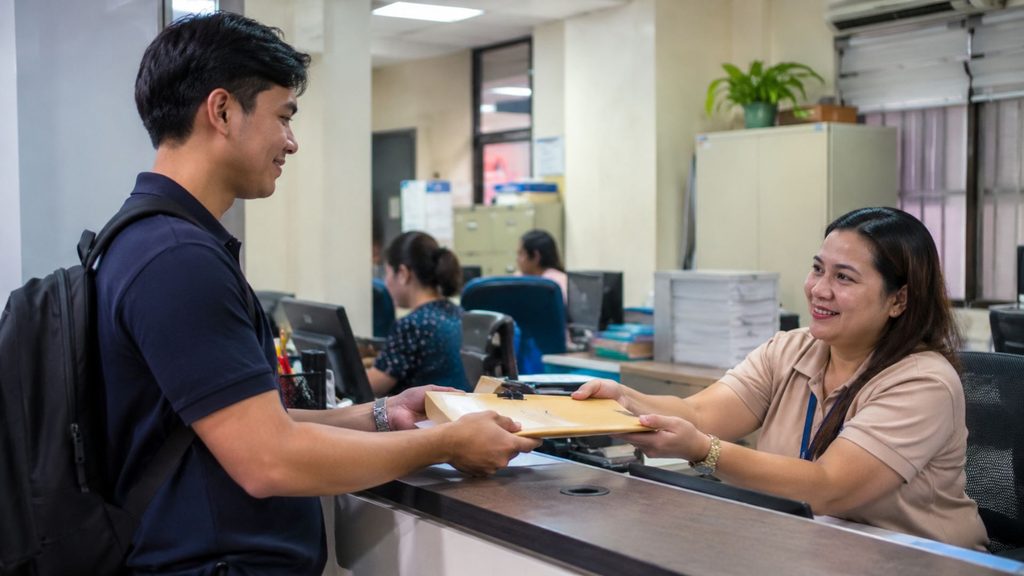
Your Protections, and a Deadline to Remember
Many workers stay quiet for fear of losing their job. Article 118 of the Labor Code prohibits employers from reducing or withholding wages and benefits, dismissing employees or discriminating against them because they filed a complaint or participated in proceedings covered by its wage-related protections.
Timing matters too. You generally have three years from the date each unpaid overtime payment became due to file a money claim under Article 306 of the Labor Code (formerly Article 291).
Don’t wait until you leave your job to address unpaid wages. Act while your records are still available.
Spotting Unpaid Overtime Red Flags Before You Accept a Job
Before you sign, check the offer for these potential red flags:
- “Flexible hours” or “must be willing to extend” with no mention of how extra hours are approved and paid
- A rank-and-file role labelled “supervisor” or “manager” with no real managerial authority
- A fixed monthly package described as “all-in” or “inclusive of overtime” without a clear breakdown of compensation or how statutory overtime rates are satisfied
- No clear timekeeping system for your role
An all-in compensation arrangement isn’t automatically illegal, but it doesn’t remove an employer’s obligation to comply with statutory overtime requirements.
Asking about overtime before you accept an offer is normal. As one of the recruiters mentioned, “For BPO, customer service, and operations roles, questions about overtime and night differential are very common. Most employers are comfortable discussing these topics because clear expectations help candidates make informed decisions before accepting an offer.”
What matters is how you ask. As one of the recruiters also shared, “Candidates can ask professionally by saying, ‘Can you walk me through the company’s overtime policy and how additional hours are recorded and compensated?’ This shows they want to understand expectations rather than avoid the work.”

To benchmark a fair package before you sign, see How to Determine Your Salary Range.
Your Hours Have Value
Unpaid overtime shouldn’t mean giving up compensation you’re legally entitled to receive. Check if you’re covered, run the numbers and keep your records.
If an email to HR doesn’t fix it, DOLE’s SEnA provides a free avenue for seeking assistance.
Your next step today: open your last three payslips and compare them with your actual hours.